
Prostate Health Through Nutrition
Discover the essential nutrients and dietary strategies that support optimal prostate function and overall wellness
The information on this site is for educational purposes only and does not constitute medical advice. Always consult a qualified healthcare professional before making health decisions.
Why Nutrition Matters for Prostate Health

The prostate is a small but vital gland that plays an important role in male health and function. Maintaining its well-being through proper nutrition is one of the most effective approaches to supporting long-term vitality. A diet rich in specific nutrients has been shown to promote healthy prostate function and support the body's natural maintenance processes.
Nutritionmalexcelpro focuses on evidence-based dietary recommendations that help nourish your body with the nutrients it needs. Our approach emphasizes whole foods, antioxidants, and minerals that work together to support prostate wellness naturally.
By understanding which foods and nutrients are most beneficial, you can make informed choices that contribute to your overall health and quality of life.
Essential Nutrients for Prostate Wellness
Lycopene
A powerful antioxidant found in tomatoes, watermelon, and pink grapefruit. Lycopene works by neutralizing free radicals and supporting the body's natural protective mechanisms. It is fat-soluble, meaning it is better absorbed when consumed with healthy fats.
Found in: Tomatoes, tomato sauce, watermelon, guava, pink grapefruit
Zinc
An essential mineral crucial for reproductive health and immune function. Zinc supports the body's ability to maintain normal prostate size and function. It plays a role in protein synthesis and DNA repair, contributing to overall cellular wellness.
Found in: Pumpkin seeds, oysters, beef, cashews, chickpeas, dark chocolate
Selenium
A trace mineral with antioxidant properties that protects cells from damage. Selenium is vital for the production of selenoproteins, which are enzymes that support detoxification and cellular health. Research suggests adequate selenium intake is important for prostate wellness.
Found in: Brazil nuts, tuna, halibut, turkey, whole wheat, brown rice
Omega-3 Fatty Acids
Essential polyunsaturated fats that support cardiovascular and immune function. Omega-3s help reduce inflammation throughout the body and support healthy hormone balance. They are particularly important for male reproductive wellness and overall vitality.
Found in: Salmon, mackerel, sardines, flaxseeds, chia seeds, walnuts
Quercetin
A flavonoid antioxidant with anti-inflammatory properties found in many plant foods. Quercetin helps modulate the body's inflammatory response and supports cellular protection. It works synergistically with other antioxidants to maintain prostate wellness.
Found in: Apples, onions, berries, tea, red grapes, broccoli
Plant Polyphenols
Diverse compounds from plant sources with potent antioxidant and anti-inflammatory effects. Polyphenols support healthy aging and cellular function. Studies suggest regular consumption of polyphenol-rich foods contributes to long-term wellness and healthy prostate function.
Found in: Green tea, red wine, berries, nuts, olive oil, cacao
Nutrient-Rich Foods for Prostate Wellness

Pumpkin Seeds
Excellent source of zinc, selenium, and magnesium. A small handful daily provides substantial mineral content. Can be eaten raw, roasted, or added to salads and smoothies.

Tomatoes
Peak source of lycopene, especially when cooked or processed. Tomato sauce, paste, and juice concentrate lycopene content. Pair with olive oil or healthy fats for optimal absorption.

Fatty Fish
Salmon, mackerel, and sardines provide omega-3 fatty acids and selenium. Aim for 2-3 servings per week. Wild-caught varieties often contain higher nutrient levels than farmed fish.

Green Tea
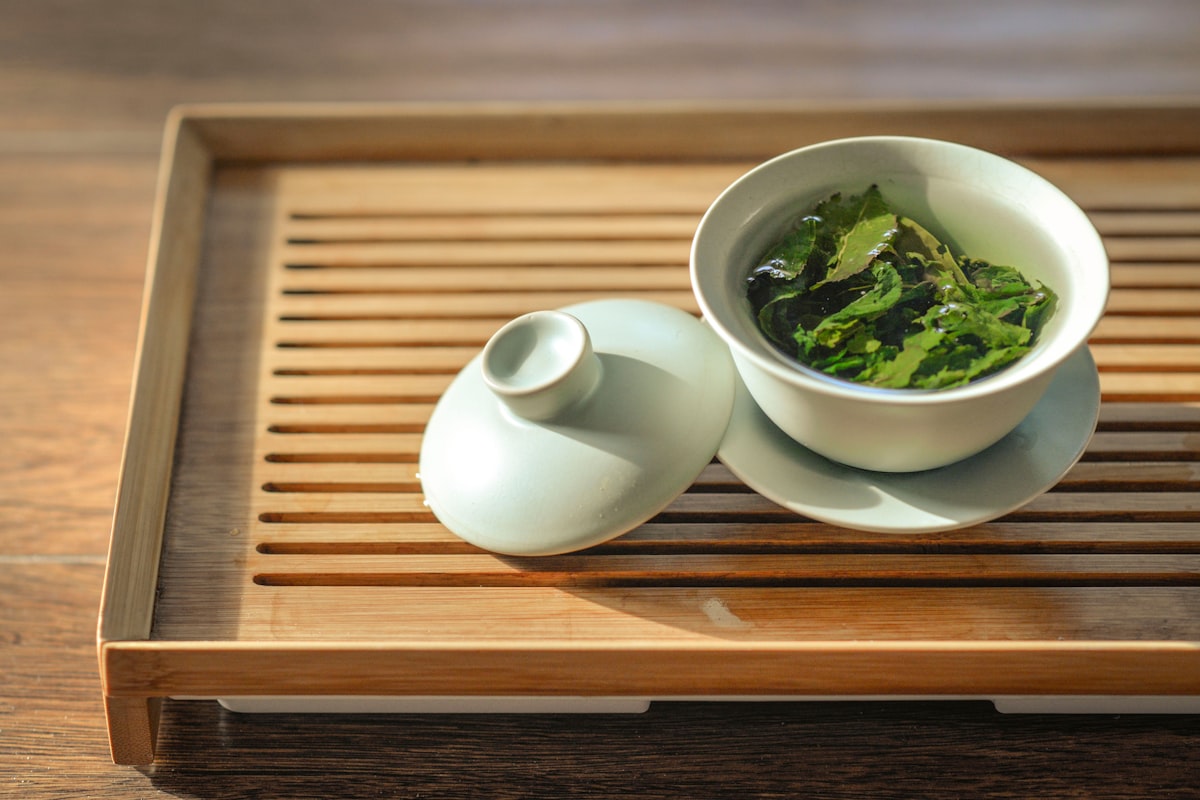
Rich in polyphenols and catechins with strong antioxidant properties. Regular consumption supports cellular protection. Brew fresh for maximum nutrient content, and enjoy 2-3 cups daily.

Berries
Blueberries, raspberries, and pomegranate are packed with antioxidants and quercetin. Fresh or frozen both retain nutrients well. Incorporate into breakfast or snacks daily for cumulative benefits.
Nuts and Seeds
Brazil nuts, walnuts, and sunflower seeds provide selenium, zinc, and healthy fats. A small mixed serving makes an ideal snack or salad topping. Store in cool, dark conditions to preserve freshness.
Your Nutritional Journey
Assess Your Current Intake
Take time to evaluate your current diet and identify which nutrient-rich foods you already enjoy. Note which of our recommended foods are currently part of your routine. This baseline helps you understand where to make meaningful additions.
Gradually Introduce New Foods
Rather than overhauling your diet overnight, introduce one or two new nutrient-rich foods each week. Start with foods you find most appealing. This gradual approach builds sustainable habits and allows your palate to adjust to new flavors.
Focus on Consistency
Regular consumption of nutrient-rich foods is more beneficial than occasional large amounts. Aim to include foods from each nutrient category several times weekly. Consistency over time delivers the most meaningful support for your wellness goals.
Monitor and Adjust
Keep track of how you feel and any changes you notice over weeks and months. Pay attention to energy levels, sleep quality, and overall well-being. Adjust your approach based on personal response and feedback from your body.
Dietary Approaches for Prostate Wellness
Plant-Forward Eating
Base your meals on whole grains, legumes, vegetables, and fruits. This approach naturally increases your intake of fiber, antioxidants, and phytonutrients. Include lean proteins and healthy fats to round out balanced meals.
Reduce Ultra-Processed Foods
Minimize intake of foods with added sugars, unhealthy fats, and artificial additives. These substances can increase inflammation and oxidative stress throughout your body. Focus on recognizable whole ingredients instead.
Hydration and Balance
Adequate water intake supports overall cellular function and healthy digestion. Combine water with herbal teas like green tea for additional antioxidant benefits. Limit sugary and caffeinated beverages that may contribute to inflammation.
Portion Control
Maintaining a healthy weight through appropriate portion sizes supports hormone balance and reduces stress on body systems. Focus on nutrient density rather than calorie restriction to ensure adequate nutrient intake.
Common Questions About Prostate Nutrition
Most people notice initial changes in energy and digestion within 2-4 weeks of consistent dietary improvements. More substantial shifts in health markers may take 8-12 weeks to become apparent. Long-term benefits continue accumulating over months and years as your body adapts to improved nutrition.
Yes, a well-planned diet including the foods we recommend provides abundant nutrients for prostate wellness. Whole foods also contain beneficial compounds like fiber and polyphenols that supplements cannot fully replicate. For specific individual needs, consulting with a nutrition specialist can help determine if supplementation would be beneficial in your unique situation.
Food sources should be your primary focus, as they provide nutrients in their natural context with supporting compounds. Some individuals may benefit from specific supplements based on their personal dietary gaps or health situation. Any supplementation decisions should be made thoughtfully, considering your individual needs and existing diet.
Rather than focusing on strict avoidance, emphasize abundance of beneficial foods. Ultra-processed foods, excessive sugar, and excessive unhealthy fats may increase inflammation. Maintaining overall dietary quality through whole foods creates a positive foundation for wellness without requiring extreme restrictions.
Nutrition is a foundational pillar of wellness, but works best alongside regular physical activity, adequate sleep, stress management, and maintaining healthy relationships. A holistic approach combining multiple wellness practices creates the most comprehensive support for your health and vitality.
The foods and nutrients we recommend are generally beneficial for broad adult populations. However, individual dietary needs vary based on age, existing food preferences, allergies, and personal health factors. If you have specific health considerations or food allergies, personalize these recommendations to fit your unique situation and consult with relevant professionals as needed.
Reader Success Stories
"Following the nutritional approach outlined in your guides has genuinely transformed how I feel daily. I've incorporated more pumpkin seeds and tomatoes into my routine, and the energy boost is noticeable. After three months of consistency, I feel more vital and focused than I have in years. Your information is clear, practical, and backed by evidence."
Budi Santoso
Jakarta, Indonesia
"I appreciated how your nutrition guide breaks down exactly which foods contain which nutrients and why they matter. I've made green tea part of my daily routine and added more fatty fish to my meals. The structured information makes it easy to understand without overwhelming me with jargon. Feeling healthier and more confident about my dietary choices."
Rendra Wijaya
Bandung, Indonesia